
Key Highlights
-
What a digital marketing strategy actually includes
-
The difference between a marketing strategy and a campaign
-
The core digital channels that drive measurable growth
-
How to define buyer personas and set realistic goals
-
How to structure your marketing funnel
-
When to outsource versus build in-house
-
How to measure ROI and improve performance over time
Editor's Note: Originally published in 2021, this blog was updated, and additional content was added in June 2022.
Most businesses invest in digital marketing. Few document a clear strategy. The difference shows in revenue. Whether you run an online or brick-and-mortar business, it's important to know how to create a digital marketing strategy. Without one, you're giving up on converting anyone who shops or looks for products or services online. A clear digital marketing strategy not only helps you reach your target audience but also effectively achieves your business goals. According to HubSpot, 64% of businesses say generating traffic and leads is their biggest marketing challenge.
Keep reading to learn how to create an effective digital marketing strategy for your business and better understand what digital marketing is all about.
What is a Digital Marketing Strategy?
A digital marketing strategy is a formulated digital marketing plan that helps businesses gain organizational success. It focuses mainly on the digital world and the tactics needed to drive revenue for a business. Focusing on the digital world is essential, especially in the ever-changing world of technology. Creating a strategy helps your business allocate resources for its digital marketing and reach customers across all digital channels.
A digital marketing strategy goes beyond basic marketing. You need to look at all appropriate digital channels and advertising methods across these channels. Markets can include social media networks, digital ads through YouTube channels, SEO, etc. The aim is to use coordinated strategies of digital marketing to reach your target market and support business growth.
| A digital marketing strategy is not a list of tactics. It is a structured plan that connects business objectives to specific channels, budgets, timelines, and measurable outcomes. |
Why Is a Digital Marketing Strategy Important?
Creating a digital marketing strategy provides direction and focus. It supports smarter marketing strategy development and helps you allocate budget and time more effectively.
A digital marketing strategy will help your business to:
- Research and build your buyer personas. You'll be able to find out what your customers are searching for and what they are buying, and attract leads.
- Identify your business and marketing goals and ensure that you use the digital marketing tools you need to achieve them.
- Evaluate your digital channels and see whether you use your assets in the proper marketing channels.
- Create a search engine optimization (SEO) audit and identify the tools you need for successful SEO.
- Ensure that your business monitors and reports on digital marketing campaign activity.
Whether you need to increase social media followers, improve search engine rankings, or boost website traffic, you need a digital marketing strategy. Without a clear plan, even the best online marketing strategies can fail to generate consistent results.
|
Many businesses run campaigns without documented goals. When goals, KPIs, and audience definitions are unclear, marketing becomes reactive instead of strategic. |
What Does A Digital Marketing Strategy Look Like?
A digital marketing strategy will look different for every business. A business plan will depend on its specific goals. For example, are you a business-to-business (B2B) or a business-to-consumer channel (B2C)? You must assess which online channels you need and what will be best for your business. Can your business goals be achieved through your online channels?
A B2B company likely won't need a channel such as a TikTok page that targets a younger demographic, but rather targets businesses via LinkedIn or Facebook Business. Therefore, using these alternative online channels will better achieve your business goals.
Most digital marketing strategies will have three important aspects: owned media channels, paid media channels, and earned media channels. Owned media will be any media your business controls, such as your websites, blogs, or even your podcasts. It's all owned, controlled, and operated by you. Paid media is the content marketing you must get from 3rd parties, such as paid social media ads and influencer marketing. Lastly, earned media is content that provides exposure for your business. These will include testimonials and user-submitted reviews.
A digital marketing strategy usually combines these three elements to create a strategy with multiple channels, hence multiple chances of brand exposure and success for your business.
Marketing Strategy vs Marketing Campaign
A marketing strategy is a plan that focuses on your business goals regarding marketing and the steps needed to achieve these goals. This includes specific marketing tactics and timelines that need to be created to achieve marketing goals.
Digital marketing campaigns involve the execution of these marketing goals. Without a proper digital marketing strategy, your digital marketing efforts in digital marketing campaigns will fail. Campaigns need a specific guideline and plan. The development of a marketing strategy sets your goals, target audience, positioning, and key channels.
|
Strategy = Long-term direction |
Levers of Digital Marketing Strategies
Content Marketing
-1.png?width=543&height=362&name=unnamed%20(14)-1.png)
- What It Is: Creating and distributing valuable, relevant, and consistent content to attract and engage a target audience.
- Examples: Blog posts, videos, infographics, eBooks, and case studies.
- Impact: Builds trust with the audience, drives organic traffic, and supports SEO efforts.
SEO
-1.png?width=567&height=378&name=unnamed%20(15)-1.png)
- What It Is: Optimizing your website and content to rank higher in search engine results.
- Examples: Keyword research, on-page SEO, link-building, and technical SEO.
- Impact: Increases visibility and organic traffic, helping your business get discovered by the right audience.
PPC
- What It Is: Paying for ads to appear in search engines, social media, or other platforms.
- Examples: Google Ads, Facebook Ads, LinkedIn Ads, display ads.
- Impact: Drives immediate traffic, helps target specific audiences, and can be highly measurable.
Social Media Marketing
- What It Is: Using social media platforms to connect with your audience, share content, and promote products or services.
- Examples: Facebook, Instagram, Twitter, LinkedIn, TikTok.
- Impact: Builds brand awareness, facilitates two-way communication, and nurtures relationships with customers.
Email Marketing
- What It Is: Sending personalized emails to a targeted list of subscribers to build relationships and drive conversions.
- Examples: Newsletters, promotional emails, cart abandonment emails.
- Impact: Keeps your brand top-of-mind, nurtures leads, and encourages repeat business.
Influencer Marketing

- What It Is: Partnering with influencers who have a following in your industry to promote your products or services.
- Examples: Sponsored posts, product reviews, influencer shout-outs.
- Impact: Extends reach, builds credibility, and leverages trust between influencers and their followers.
Affiliate Marketing
-1.png?width=570&height=380&name=unnamed%20(16)-1.png)
- What It Is: Partnering with affiliates who promote your products and earn a commission for each sale they generate.
- Examples: Affiliate websites, social media influencers, bloggers.
- Impact: Increases sales through third-party partnerships and provides access to new audiences.
Website and User Experience Optimization
.png?width=594&height=396&name=unnamed%20(17).png)
- What It Is: Improving the design, functionality, and usability of your website to enhance user experience and drive conversions.
- Examples: Responsive design, fast loading times, intuitive navigation.
- Impact: Reduces bounce rates, improves conversions, and enhances customer satisfaction.
Analytics & Data-Driven Insights
- What It Is: Using data to track and measure digital marketing performance and make informed decisions.
- Examples: Google Analytics, social media insights, A/B testing.
- Impact: Optimizes campaigns, measures ROI, and helps refine marketing strategies.
Conversion Rate Optimization
- What It Is: Improving website elements to increase the percentage of visitors who take a desired action, such as making a purchase or signing up for a newsletter.
- Examples: Optimizing landing pages, call-to-action buttons, forms, and checkout processes.
- Impact: Maximizes the value of existing website traffic and improves overall marketing efficiency.
Retargeting & Remarketing
-2.png?width=569&height=379&name=unnamed%20(18)-2.png)
- What It Is: Targeting individuals who have previously interacted with your brand but didn’t convert.
- Examples: Display ads, email follow-ups, social media retargeting.
- Impact: Re-engages potential customers and increases conversion rates.
|
You do not need every channel. The right mix depends on your audience, industry, budget, and growth goals. |
Steps to Create Effective Online Marketing Strategies
As mentioned, knowing how to create a digital marketing strategy can help you to grow your brand. Every strategy, however, starts with a plan. You need to explore different areas of your brand before mapping out a digital marketing strategy that works for you. Don't know where to start? Here are some tips to create a good digital marketing strategy for your business:
Know Your Ideal Customer
.png?width=745&height=559&name=unnamed%20(19).png)
The first step in creating a marketing strategy is identifying your target audience and learning about them. Knowing who your customers are can help you target your marketing materials to certain groups. Elements to consider include:
- Age
- Gender
- Location
- Family size
- Occupation
- Income
- Interests
The better you understand your ideal customer, the easier it will be to create marketing content for them. For example, a cosmetics company for young adult women wouldn't want to use the exact copy as a software company aimed at executive businessmen.
As you redefine your marketing plan, you must ensure the new action plan works with the customers you want to attract. That way, your marketing can lead to more conversions and sales.
Determine What Sets You Apart
-1.png?width=660&height=495&name=unnamed%20(20)-1.png)
Once you know your ideal customer, you should look at your competitors. Consider what they offer and how they market their businesses online. Think about what images or copy they use on their website or social media accounts.
Use the information you find to set your business apart. Perhaps you have a unique experience that your competitors lack. Or maybe your products are of better quality or are more affordable.
Customers will want to know what makes your business different before they buy from you. If you include that information in your marketing materials, you can convince people to become your customers.
Set Trackable Goals
Next, you need to set some goals for your digital marketing campaign. Without goals, you won't be able to track the success of your online marketing strategies. Your goal needs to be specific and measurable so that you can tell if you're on track to reach it.
While the goal of increasing conversions is nice, it's not the most helpful. Instead, add some numbers to it. Your new goal might be to increase conversions by 20% by the end of the year.
Setting goals is great for marketing an eBook or another single product. However, you can also use goals to market your overall business. Your marketing goals can look different if you aren't ready to sell or launch something.
|
If you cannot measure it, you cannot improve it. Define one primary KPI per campaign to maintain clarity. |
Instead, you may set goals to grow your following or website traffic by 20% within the following year. That way, you'll have an audience to sell to when you launch something.
Consider Your Current Strategy
If you're already doing some digital marketing, think about your current efforts. Look at the tools and platforms you use, your posting schedule, and the results you're getting.
Review your results and see how close they are to your desired results. You'll know you need to change something if you aren't getting the traffic or sales you need.
On the other hand, if you're getting some results, you can use that. Then, you can figure out what is getting sales or conversions to replicate them with your new digital marketing strategy.
Consider Outsourcing
Sometimes, you can handle your digital marketing in-house, but outsourcing can be a great option. Working with an agency on your marketing is helpful if you want to scale your marketing but can't afford to hire more full-time employees.
Another benefit of outsourcing is that you can hire experts. You can look for an agency with experience in social media marketing, email marketing, and website content. That way, you won't have to worry about whether you're following best practices for a specific platform.
If your digital marketing strategy includes your website, email, and social media, you may be able to handle it in-house. However, hiring an agency with experts in those areas can save you time and frustration.
Outline Your Marketing Strategy
After you decide who will work on your digital marketing strategy, you need to determine its scope. Your strategy can be as simple or complex as you want, and the topics you cover may vary depending on your business's current needs.
Digital marketing strategies for businesses should include:
- Marketing platforms
- Goals and milestones
- Schedule
- Any other pertinent information
Outlining your strategy for digital marketing can help you and your marketing team know what to do and when to do it. That way, you won't have any confusion during the campaign. An outline can also help a marketing agency because it can understand your plan better.
Assign Roles
Next, you can start assigning roles and tasks to everyone on your team or working for the agency if you partner with one. You may already know who will work on what if you have a digital marketing team.
For example, you may have a social media specialist to tackle your Facebook and Instagram marketing business. Your business might also have an email marketer or a website content manager to handle those elements.
If your marketing team lacks those specialties, you can assign people to different areas. Then, your employees will know what to work on, and your team can avoid forgetting any essential tasks.
Research and Select Marketing Technology
Another crucial step in implementing a marketing strategy is marketing tech (martech) tools. These tools and programs are what you will use to create content and publish your marketing campaigns. Examples of tools include:
- Website Platform
- Social media networks
- Social media scheduling tool
- Email marketing software
- Customer relationship management (CRM) tool
- Project management and collaboration software
Consider integrating these various tools to help with your digital marketing. For example, you may want to use a social media scheduling tool that works with your social platforms. You might also select email marketing software that integrates with your website.
| Your tools should support your strategy. Avoid adding software that does not directly improve reporting, automation, or conversion tracking. |
Set Up Your Marketing Funnel
.png?width=778&height=438&name=unnamed%20(21).png)
If you haven't already, you should set up your marketing funnel. Without a funnel, you will have difficulty turning followers and leads into customers.
A funnel usually starts with free content on your website or social media. The content you post for free should lead to your paid product or service. Use that free content to build awareness and provide value.
For example, you can use your email list to provide a free download that covers a bit about your paid offer. Then, you can use your email marketing to encourage people to convert to paying customers.
|
Every piece of content should move prospects forward. Awareness content builds trust. Middle stage content builds consideration. Bottom stage content drives conversion. |
Create a Content Calendar
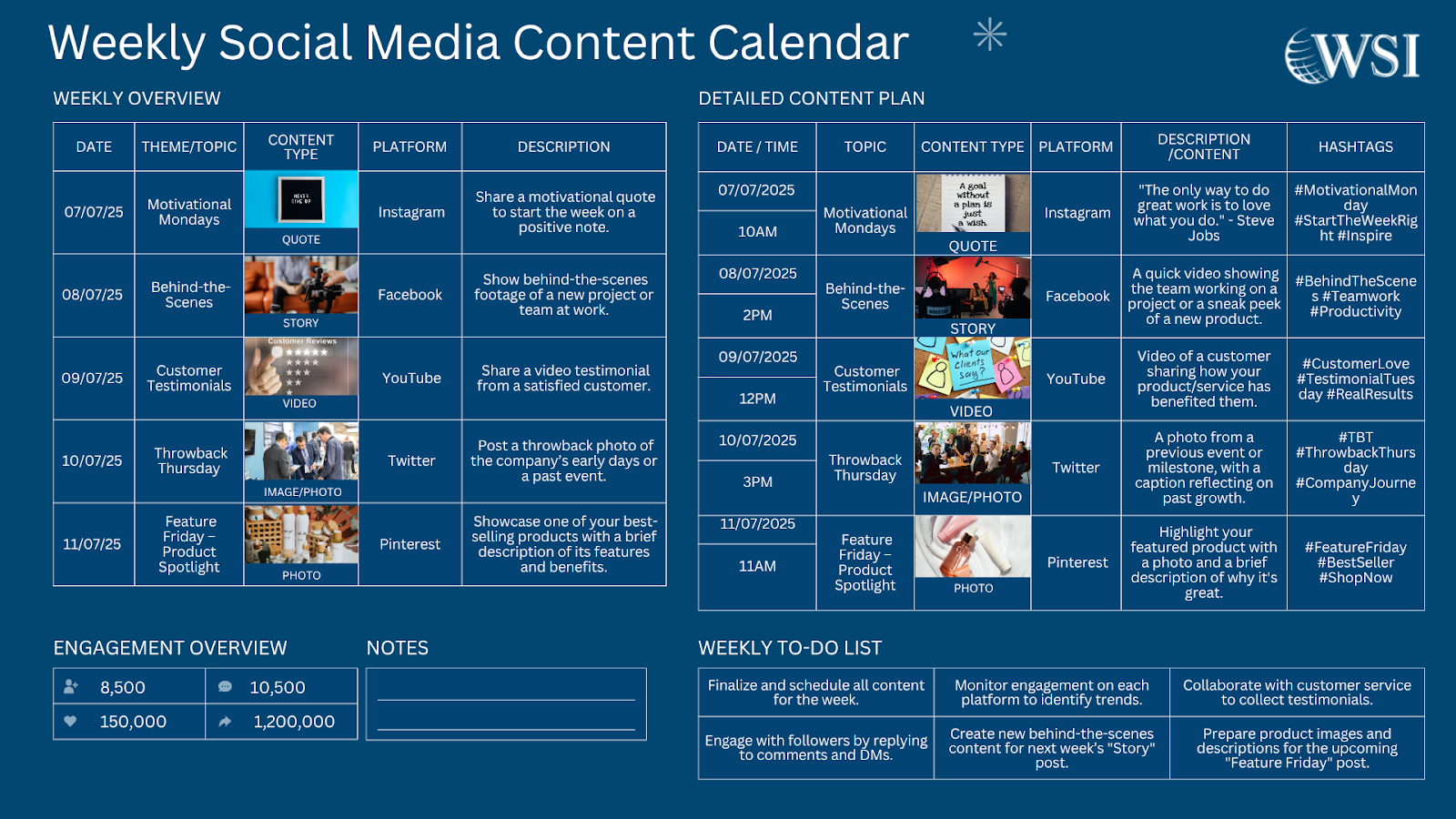
You should create and use a content calendar to help people enter and move through your marketing funnel. Your content calendar should cover when you post on your social media networks, blog, and email newsletter. The calendar can also include what you will post and when.
As you create a content calendar, consider any upcoming sales or launches you have. Consider what content you can create that leads to those sales or launches.
Your content calendar is the perfect place to plan how to build excitement for a new product. By posting relevant content before your launch, you can prepare your audience. Then, it will be easier to sell that product and increase conversions.
Develop and Publish Content
Use your content calendar to create and publish content. Content is an essential part of your digital marketing strategy, and that includes content on your website, social media, and emails.
Make sure you publish content that your ideal customer can see. For example, women make up the majority of Pinterest users, so it can be a great option for some companies. But if your ideal customers are male, you may want to focus on Facebook or Twitter.
Consider if there are any times when posting or sending an email is best. If your ideal customer works in the corporate world, you may want to avoid posting content between 9 am and 5 pm. However, a company that targets college students might want to post during the day.
Make the Content Enjoyable
When you post content, ensure it's enjoyable and easy to read. Your content can do a few things, such as:
- Inform
- Educate
- Entertain
Consider the purpose of each piece of content as you create and post it. If you want a post to lead to sales, include buying something like a call-to-action (CTA). A good CTA will tell visitors and followers what to do.
Make sure the CTA you use is relevant to the content. If you post why you need to use Instagram, consider linking to an Instagram guide or your Instagram management service. That way, people will understand the connection and want to buy.
Focus on SEO
When creating content for your website, include search everywhere optimization (SEO) in your digital marketing strategy. SEO involves using keywords strategically to help boost your ranks in search engine results.
If you can rank well for keywords related to your business, you can attract your ideal customers organically. You can use a keyword research tool to find keywords that people are searching for in your niche.
Then, you can write blog posts or web pages using those keywords. When someone searches for a keyword you've used, your website might be one of the first results. SEO is a great way to attract visitors and transform your business. If someone likes your content, they may buy something or come back later to buy.
Implement Automation
Running a digital marketing strategy manually can be nice for a while. However, automation can save you time and energy overall. Marketing automation involves software to help you execute your digital marketing strategy.
One of the best ways to start using automation is with your email marketing. When someone signs up for your email list, you can automatically send them a free download. Then, they can enter a sequence of emails to introduce them to your brand and business.
While you must spend time creating the automation upfront, that's all you need to do. After you set up the automation, it can run for you and work whenever you get a new email subscriber or customer.
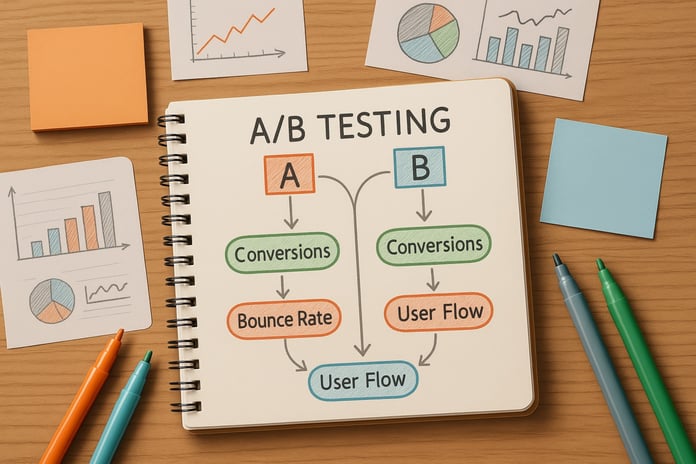
Use A/B Testing
If you want to ensure the success of your digital marketing strategy, start with A/B testing. A/B testing involves running two very similar ads or emails and comparing the results they achieve.
When doing an A/B test, keep everything the same except for one thing. For example, you could run two ads with different images but the same ad copy. Or you can run two ads with the same image but a different copy.
Let the ads run for a few days to see which is more successful. Then, you can know which image or text your customers resonate with more for future marketing campaigns.
Review Your Analytics
Looking at your analytics can be overwhelming, especially if you aren't good with numbers. But the numbers don't lie, so they're a great way to track the success of your digital marketing.
Now, you should give the new strategy time to work, so don't look at the analytics a day or two after you start something. However, look at your analytics after a month or so. See if your posts or emails are converting how you want them to.
If not, you can change something with your content, posting schedule, or something else. Then, you can, hopefully, get better results from your digital marketing strategy.
|
Review performance monthly. Adjust tactics quarterly. Revisit your full strategy at least twice per year. |
What Does Your Digital Marketing Strategy Include?
Developing a marketing strategy involves a lot of planning, goal setting, and organization. However, it is a vital component of success in digital work because, without a plan, you won't be able to track your marketing successes or determine where and how you can improve your efforts.
Before you create the development of a marketing strategy, consider how to do it. That way, you can make sure you'll be able to track your progress and ensure success.
Should I Hire a Digital Marketing Expert?
Digital marketing is critical to your growth. But you may not have the time, skills, or team to build and manage an effective strategy. When that happens, you risk wasting time and budget on tactics that do not deliver results.
A digital marketing expert helps you focus on what works. They align your strategy with your business goals, define your ideal customer, and select the right channels. This keeps your messaging consistent and your budget focused on activities that generate leads and sales.
Hiring a full-time specialist can be expensive. But the right expert improves performance over time. They monitor results, adjust campaigns, and apply current best practices to keep your business competitive.
If a permanent hire is not realistic, we recommend outsourcing. A trusted team can:
-
Build a strategy based on your goals and budget
-
Identify the best channels for your audience
-
Track performance and refine campaigns
-
Keep your marketing aligned with current trends
| If your marketing efforts feel inconsistent, difficult to measure, or disconnected from sales results, it may be time to bring in experienced support. |
Build a Digital Marketing Strategy with WSI Today!
WSI helps you align marketing investment with measurable growth. Our consultants structure your strategy around revenue targets, buyer behavior, and competitive positioning
If you want a clearer digital marketing plan or need expert support, talk to us.